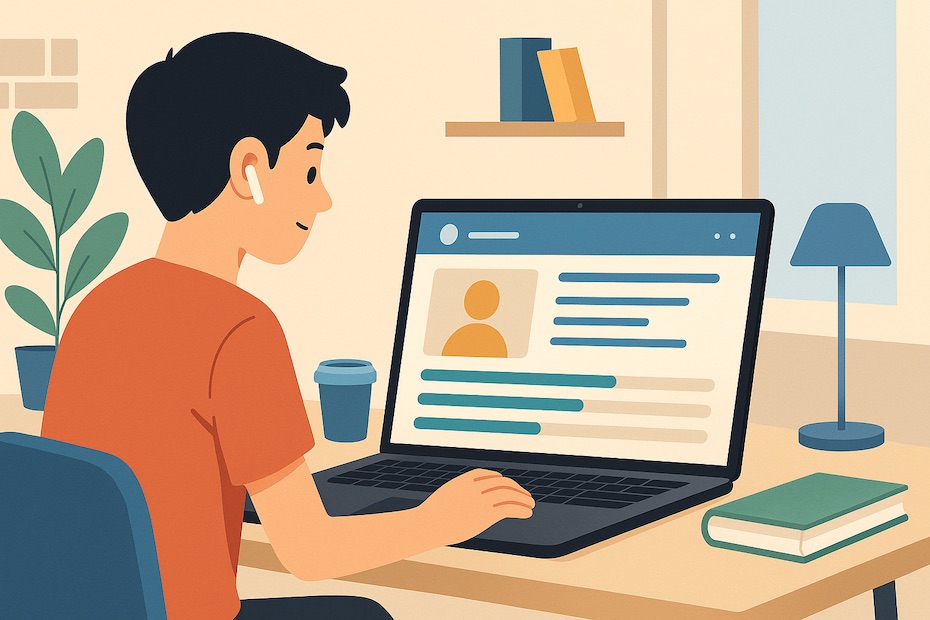
You can access high-quality, flexible education using the right online learning platforms tailored to your goals, availability, and preferred subjects.
This article ranks the ten best platforms available today, comparing real benefits based on course access, credential value, and user flexibility. Whether you’re pursuing a degree, building skills, or supplementing your current education, you’ll find a platform built for your pace and purpose.
1. Coursera – University-Level Education on Your Terms
Coursera provides flexible, self-paced access to courses created by global universities and corporations. Students often begin by auditing classes for free and later upgrade to earn professional certificates or degrees. The platform also features job-aligned content such as Google’s Career Certificates, widely respected in tech and business fields.
Its learning structure supports autonomy while offering institutional credibility. Many career switchers and working students use Coursera for industry recognition without the time or cost commitment of a full in-person program.
2. edX – Academic Rigor with Open Access Options
Built by Harvard and MIT, edX delivers top-tier education across business, data, engineering, and humanities. Its MicroBachelors and MicroMasters programs allow students to earn stackable credentials without enrolling in a full degree.
You can audit most courses for free, only paying for a verified certificate when needed. Students who want academically rigorous instruction that still allows self-pacing benefit from edX’s structured syllabi, graded assessments, and instructor-led forums.
3. Udemy – Affordable Learning with Lifetime Access
Udemy offers a vast course library across software, productivity, design, and soft skills. Each course is individually priced—usually under $20 during discounts—and comes with lifetime access.
Its popularity stems from sheer volume and variety. You learn through pre-recorded videos, downloadable resources, and optional quizzes. Unlike academic platforms, Udemy allows direct instructor feedback only if they enable it. For self-directed learners, it’s a cost-effective way to build targeted skills quickly.
4. Skillshare – Creative Learning Through Hands-On Projects
If you prefer learning by doing, Skillshare delivers thousands of project-based classes across writing, illustration, animation, and photography. You complete projects as part of every course, with community critique and instructor walkthroughs.
You can start with a free trial before subscribing. Skillshare appeals to students in creative fields who want consistent output and feedback loops. It’s less formal but highly effective when applied consistently with portfolio-based goals.
5. Udacity – Nanodegrees for High-Growth Careers
Udacity partners with Google, Meta, and IBM to deliver Nanodegree programs in AI, programming, and business analytics. These programs include hands-on projects, personalized mentor feedback, and career coaching.
While it’s more expensive than other platforms, students pursuing high-paying tech careers often treat it as a fast-track to entry-level roles. Unlike lecture-only platforms, Udacity centers on applied outcomes and peer-reviewed projects.
6. OpenClassrooms – Mentorship with Accredited Diplomas
OpenClassrooms gives you a structured learning path supported by weekly one-on-one mentorship sessions. You complete real-world assignments, build a portfolio, and finish with an accredited diploma recognized across Europe.
It offers both free courses and full diploma programs, most of which take 6–12 months to complete. If you value personalized guidance and structured outcomes, this platform offers coaching not found in typical video-based sites.
7. LinkedIn Learning – Upskill and Showcase on Your Profile
LinkedIn Learning offers short-form professional development courses across leadership, tech, and soft skills. Courses integrate directly into your LinkedIn profile, making it easier to signal completed training to recruiters.
This platform is ideal for students building a public-facing resume or those in job transition. Subscriptions include access to full course libraries, learning paths, and certificate visibility on your profile page.
8. MasterClass – Learn from Industry Icons
MasterClass delivers cinematic video instruction from high-level professionals like Neil Gaiman, Serena Williams, and Chris Voss. It’s designed for inspiration and advanced technique rather than assessments or certificates.
For creative students and storytellers, it delivers rare access to master-level thinking. While not career-certified, it’s unmatched in production quality and motivational value.
9. Khan Academy – Free Learning for All Core Subjects
Khan Academy supports foundational learning with zero cost. It offers interactive video lessons, real-time quizzes, and progress tracking across math, science, economics, SAT prep, and more.
Best suited for high school and early college students, Khan Academy gives you full curriculum access with built-in pacing and checkpoints. It’s one of the few nonprofit platforms with complete free access to educational content.
10. Canvas & Moodle – Used by Virtual Schools and Universities
Many institutions use Canvas or Moodle to deliver coursework, assignments, and exams remotely. These platforms serve as official learning management systems (LMS) for thousands of universities and virtual high schools worldwide.
You likely already interact with them if enrolled in a hybrid or online program. They structure course flow, grading, and communication between you and your professors, but typically require enrollment through a participating institution.
What is the best online learning platform for flexible scheduling?
Coursera remains the leading option if you need university-level courses with full scheduling control. With over 7,000 courses and partnerships with institutions like Stanford, Yale, and Google, it gives you on-demand access to structured academic learning without campus restrictions.
You can enroll in individual courses, specialization tracks, or full online degrees. Most are self-paced, but you still benefit from expert instruction, graded assignments, and peer discussion boards. If you’re balancing education with a job, internship, or caregiving, Coursera allows you to start, pause, and continue at your own speed without losing momentum.
How do platforms compare in price and certificate value?
Certificate credibility depends on course provider and issuing institution. Coursera and edX offer the most recognized certificates due to their ties with accredited universities. Employers often acknowledge these in hiring or promotions.
On the pricing front, Udemy and Skillshare are more affordable for non-degree, practical learning. Udacity and OpenClassrooms are costlier, but include mentorship and career support. Choosing the right platform means aligning your budget with how much career value you need from the credentials.
Which platform offers free courses for students?
Khan Academy and Alison are two standout platforms where you can learn at zero cost. Khan Academy focuses on core subjects like math, science, economics, and test prep, making it ideal for high school and early college learners.
Alison, by contrast, provides over 4,000 free certificate and diploma courses across health, IT, business, and personal development. Revenue comes from advertising and optional paid certificates. For budget-conscious students, both options give you flexible access with no paywall or subscription barrier.
Best free learning platforms for students
- Use Khan Academy for free foundational subjects
- Choose Alison for free certificate and diploma programs
- Audit Coursera or edX for free university-level education
In Conclusion
Your ideal learning platform depends on your goals. If you’re pursuing structured academic credentials, prioritize Coursera, edX, or OpenClassrooms. For creative output, turn to Skillshare or MasterClass. Need flexible pricing and lifetime access? Use Udemy. Focused on mentorship and outcomes? Udacity is worth the cost. Students just starting out can rely on Khan Academy or Alison for strong free resources. Pick a platform that matches your schedule, supports your goals, and delivers proven results—then stay consistent.
For more insights about online learning, flexible education, and student success strategies, please visit my Medium profile. I regularly share practical tools, reviews, and advice to help students like you thrive in digital education. Whether you’re exploring new skills or seeking degree alternatives, I write with your goals and growth in mind.